
Pet Overpopulation
Preventing Pet Overpopulation Through Education, Access, and Compassion
The Problem Isn’t Just Overpopulation—It’s Lack of Support
Every year, millions of animals enter shelters—not because they’re unwanted, but because systems failed them.
- Unplanned litters.
- Lack of access to spay/neuter services.
- Behavioral issues that escalate without guidance.
And behind every number is a story:
- A family overwhelmed.
- A pet misunderstood.
- A bond that didn’t have to break.
At Finnleigh’s Furry Friends, we focus on preventing the problem before it starts—because prevention is the most compassionate form of rescue.
The Reality of Pet Overpopulation
- Millions of animals enter shelters each year
- Many are surrendered due to preventable circumstances
- Overcrowding leads to increased euthanasia rates
And once an animal enters the shelter system, the experience itself can create lasting trauma.
From fear and confusion to behavioral deterioration, many animals become less adoptable the longer they stay.
Why Overpopulation Happens
This isn’t about irresponsible owners—it’s about lack of access and education.
Common causes include:
- Limited access to affordable spay/neuter services
- Misinformation about breeding and health
- Behavioral challenges that escalate without support
- Financial hardship leading to surrender
When we address these root causes, we reduce the flow into shelters.
Our Approach to Prevention
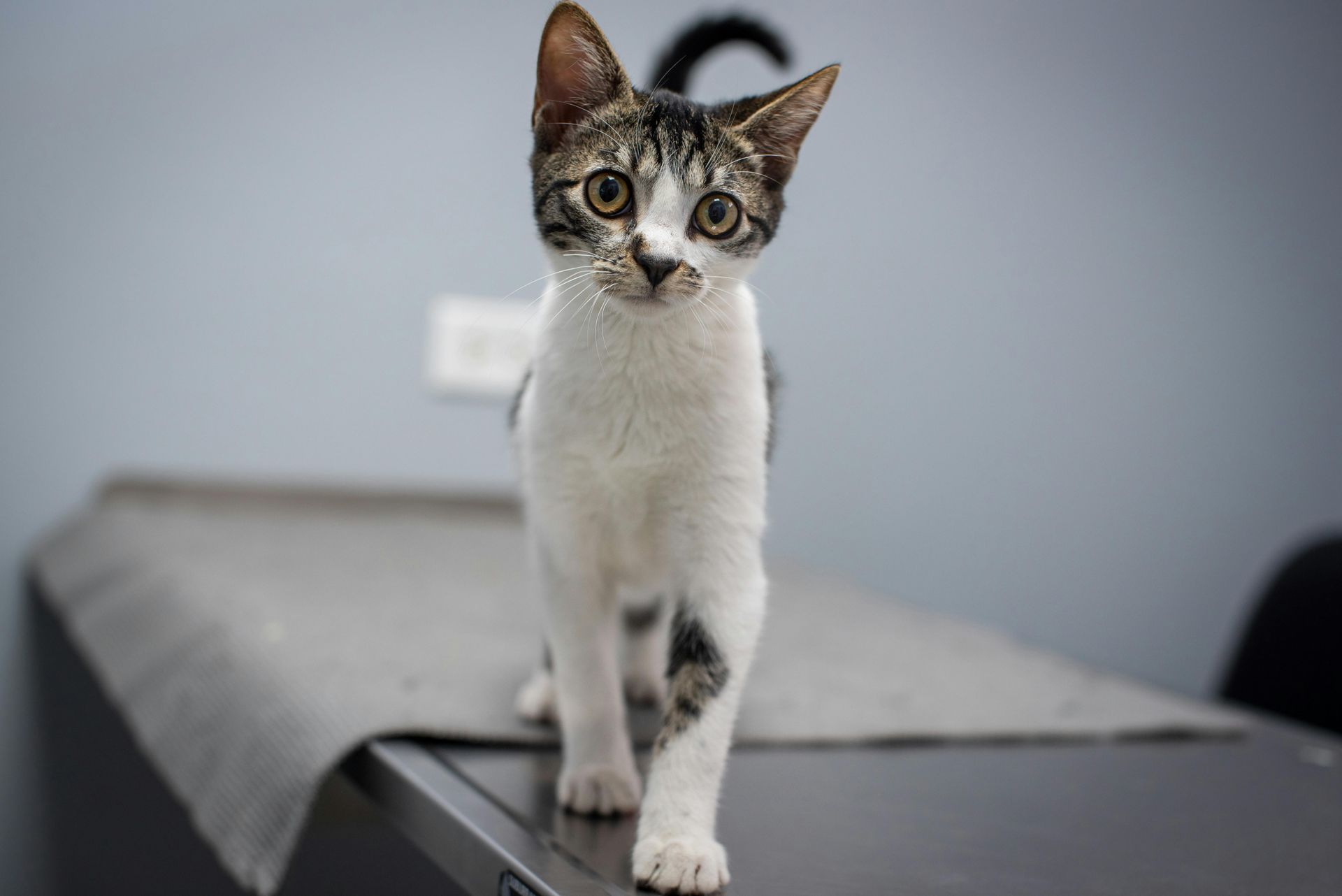
Support Systems for Pet Owners
Because when families are supported, they keep their pets.
We focus on:
- Early intervention
- Behavior guidance
- Access to care resources
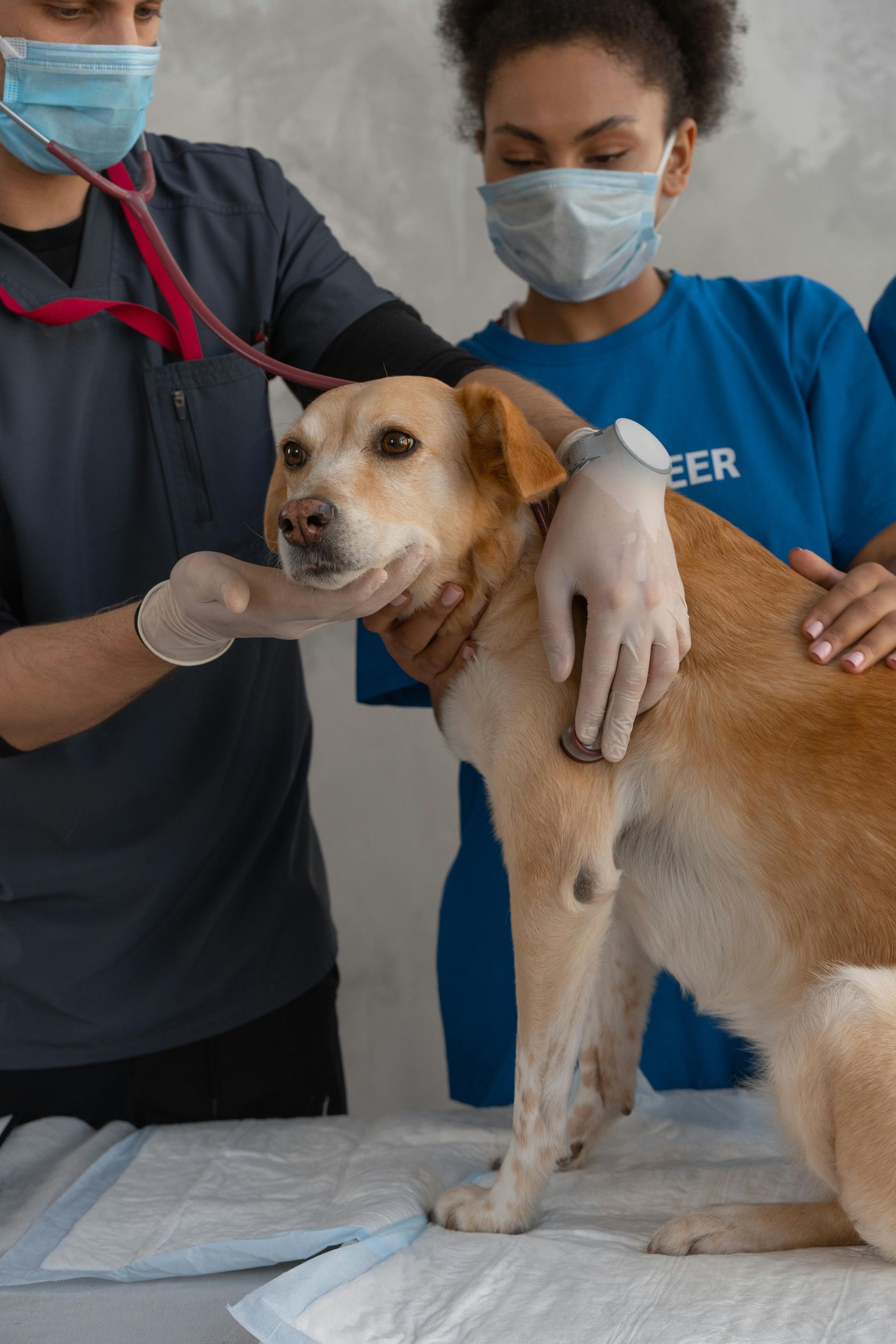
Interesting Fact #2 Goes Here
This is the text area for this paragraph. To change it, simply click and start typing. Once you've added your content, you can customize its design.
Spay & Neuter Education
Helping pet owners understand:
- When and why to spay/neuter
- Health and behavioral benefits
- Long-term impact on population control
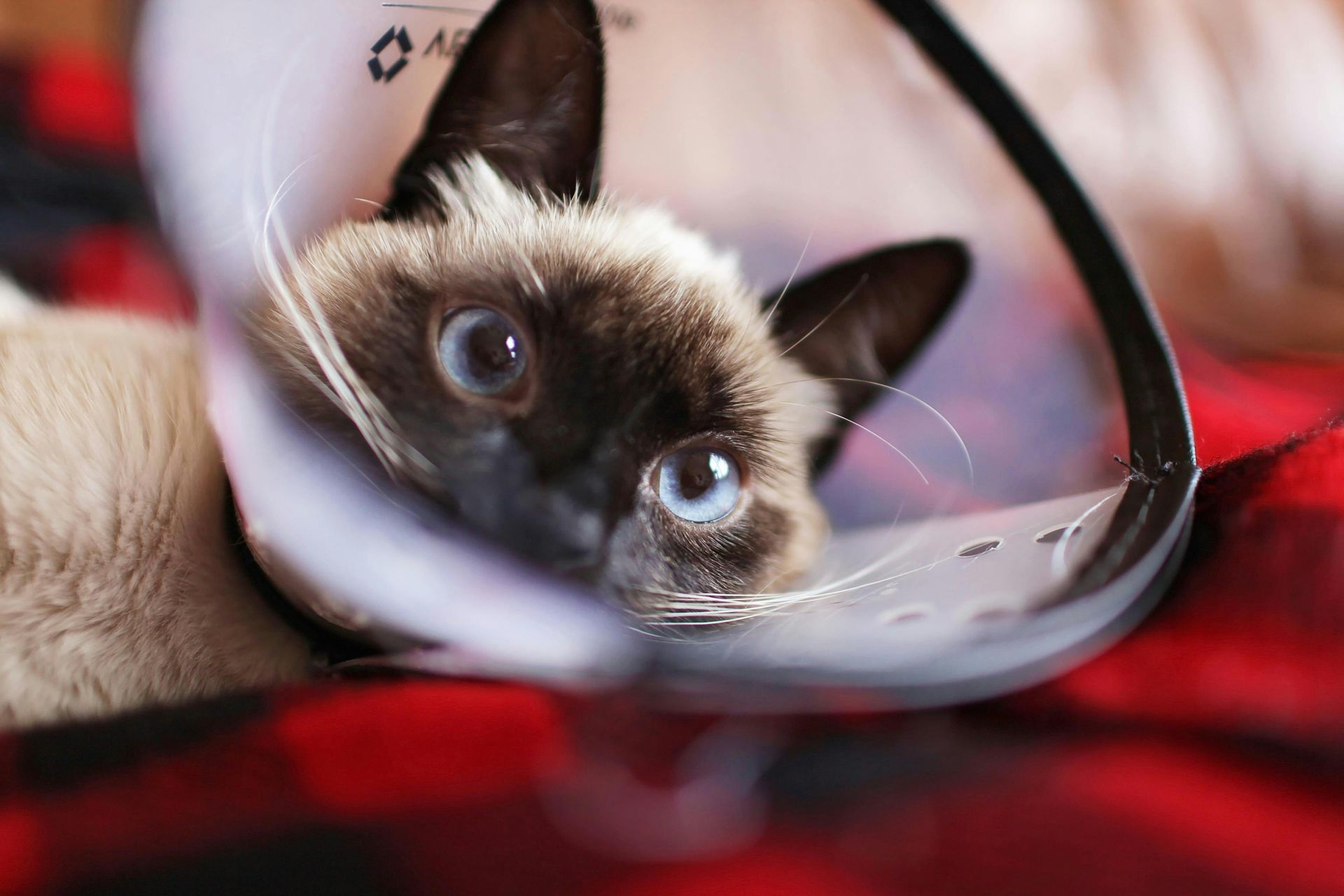
Community Awareness
Creating a culture where prevention is normalized—not reactive rescue.

Prevention Protects More Than Animals
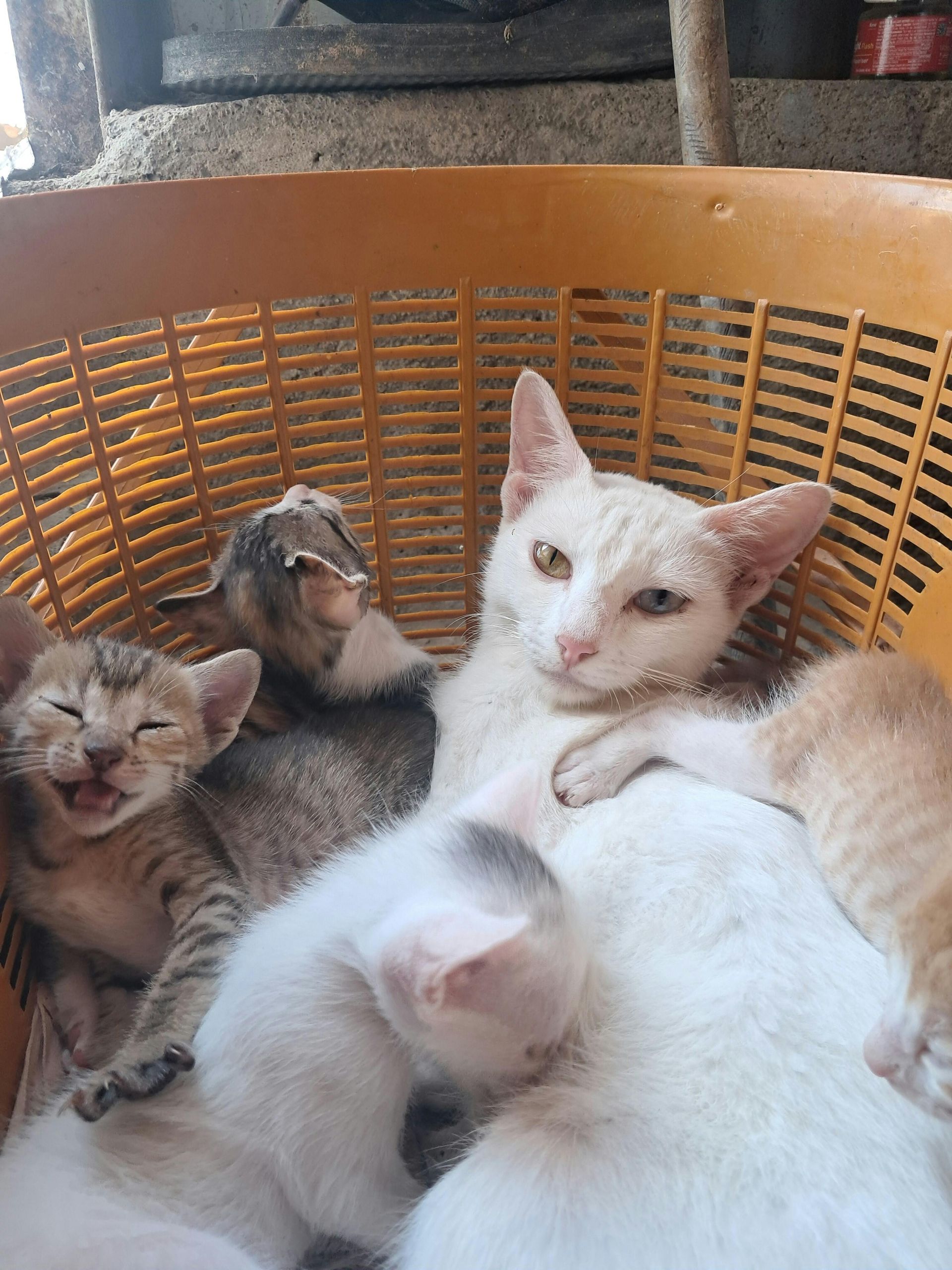
Every prevented litter means:
- Fewer animals entering shelters
- Reduced strain on rescue systems
- Lower euthanasia rates
- More families staying intact
This isn’t just about numbers.
It’s about changing outcomes—before they become tragedies.
Rescue doesn’t have to begin in a shelter.